Real survey findings

From visible symptom
to root cause.

Real examples showing how Corvia investigates damp, mould and timber concerns, interprets the evidence and sets out the right next steps.

All cases are anonymised to protect client privacy.
01Water ingress
02Mould & condensation
03Timber & woodworm
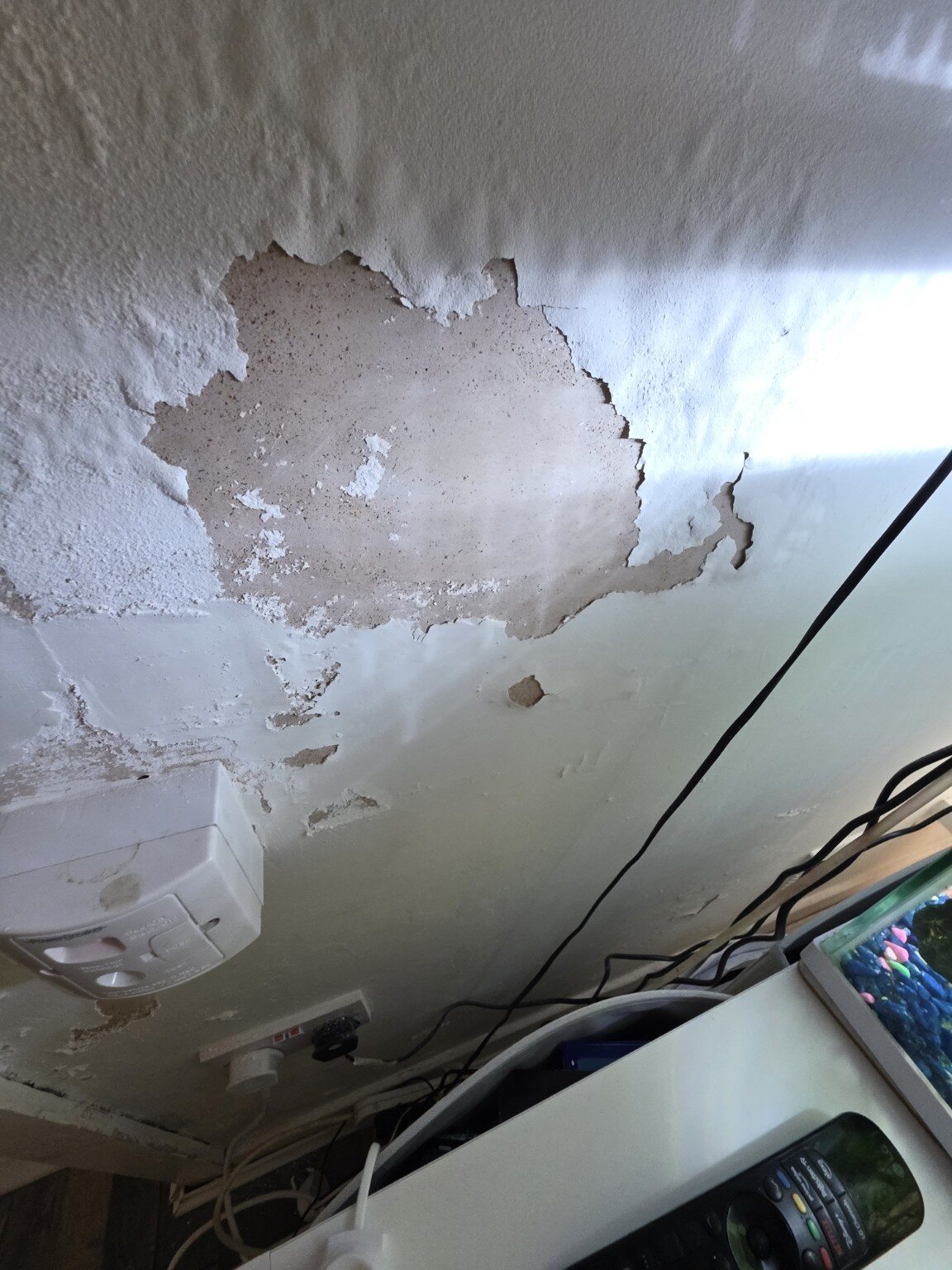
Internal wall finishes damaged by penetrating water 01 / Damp investigation

Penetrating damp · Residential property

Moisture-related deterioration affecting the internal wall surface

The wall showed localised staining, blistering and extensive peeling of the decorative coating, with areas of the underlying plaster surface exposed. The visible damage confirmed that the wall finish had been affected by moisture, but the appearance alone was not used to determine the source.

The investigation

The position and distribution of the wall damage were assessed alongside moisture readings, the wall construction and relevant adjoining external details. This allowed the visible surface deterioration to be considered as a symptom while the likely moisture pathway was investigated separately.

What the evidence indicated

The findings were consistent with penetrating moisture entering through defective external building fabric. Internally, loss of adhesion had caused the paint and surface coating to blister, flake and detach, leaving areas of the underlying plaster surface exposed.

Correct order of work

Repair the relevant external defect first, allow suitable drying time, remove loose and defective wall finishes, and reinstate the affected area using materials compatible with the existing wall construction.
Mould assessment · Occupied home

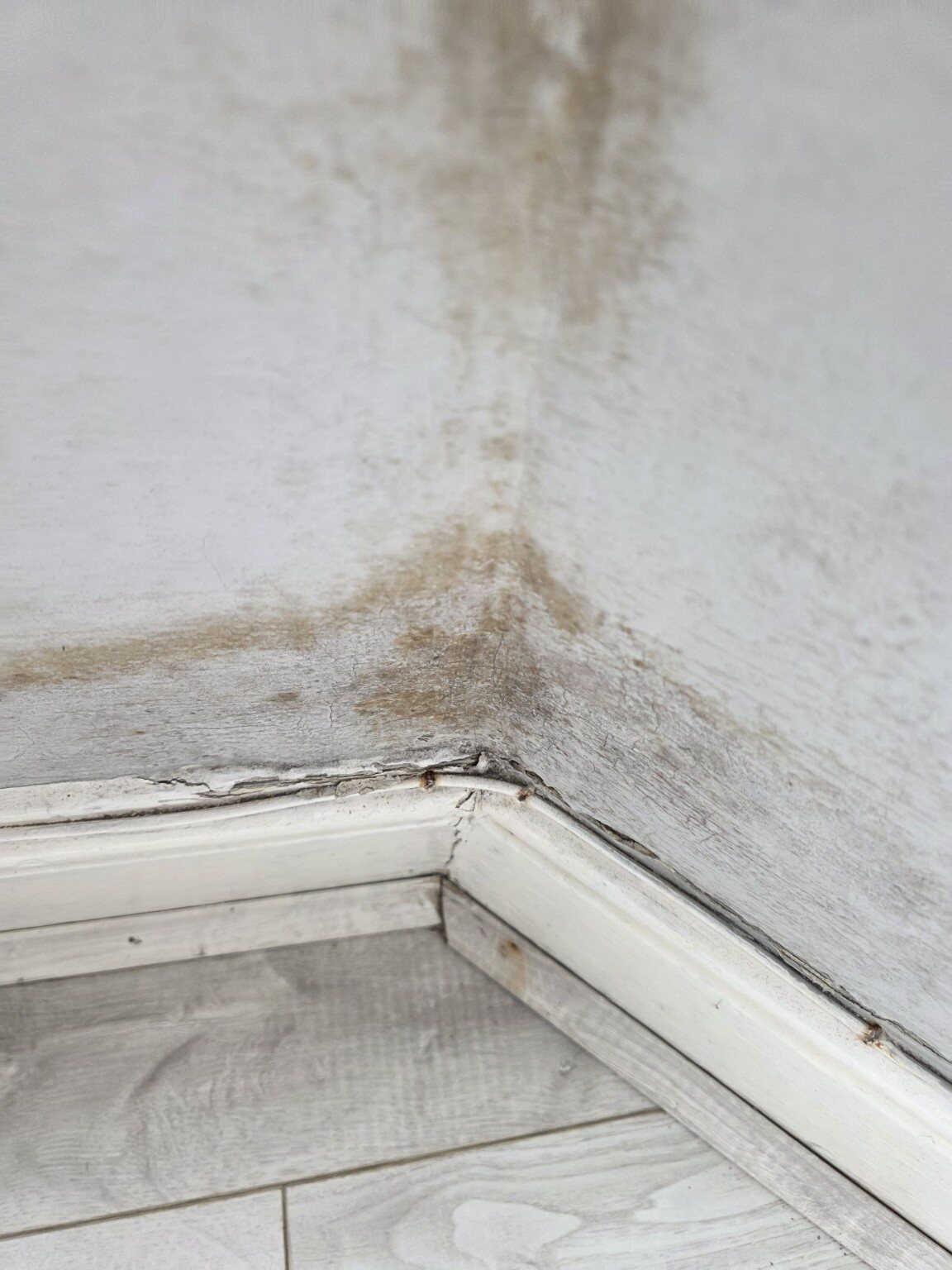
Recurring mould—not automatically a damp-proofing problem

Mould repeatedly returned after cleaning and redecorating. The concern was whether moisture was entering through the walls or rising from the ground.

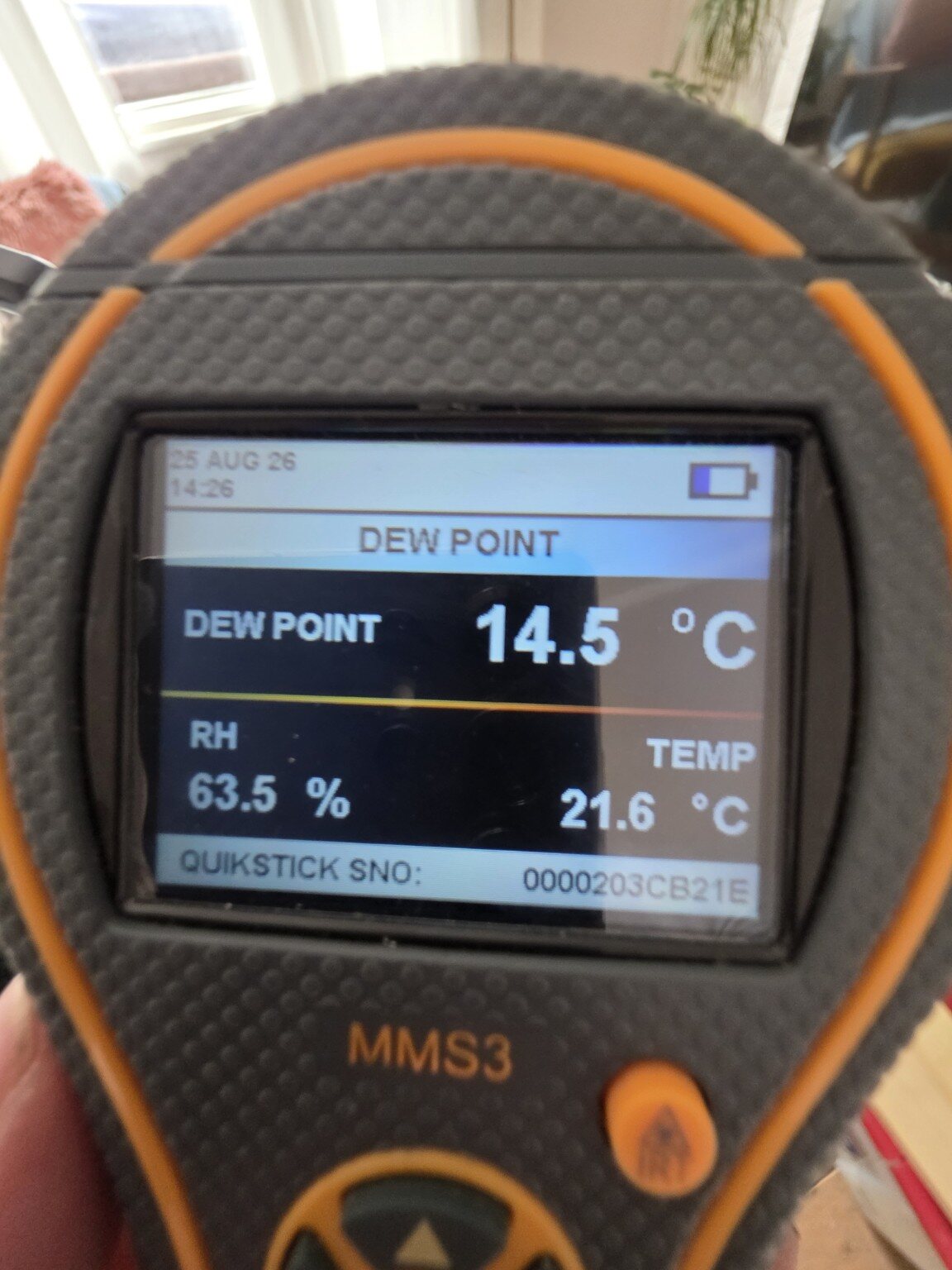
Relative humidity63.5%
Dew point14.5°C
MethodEnvironmental profile
The investigation

Humidity, air temperature and dew point readings were reviewed with the mould pattern, ventilation provision and cold external wall junctions.

What the evidence indicated

The location and pattern of growth supported surface condensation at cold areas, aggravated by inadequate moisture removal—not rising damp.

Recommended next step

Improve extraction and background ventilation, manage indoor humidity and address the identified cold-surface risks before redecorating.

Mould growth at a cold internal wall junction Environmental meter showing humidity, temperature and dew point readings 02 / Condensation analysis
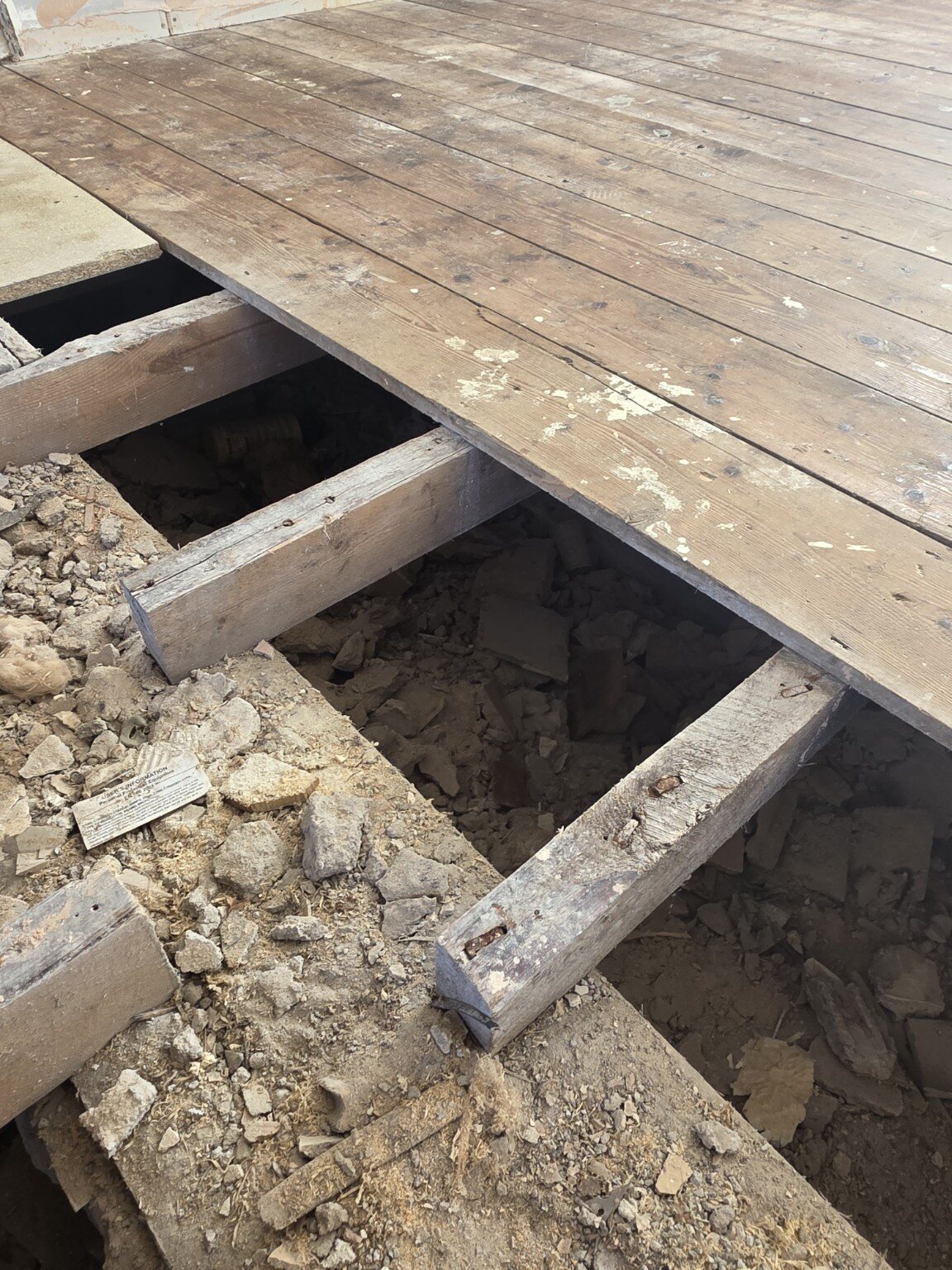
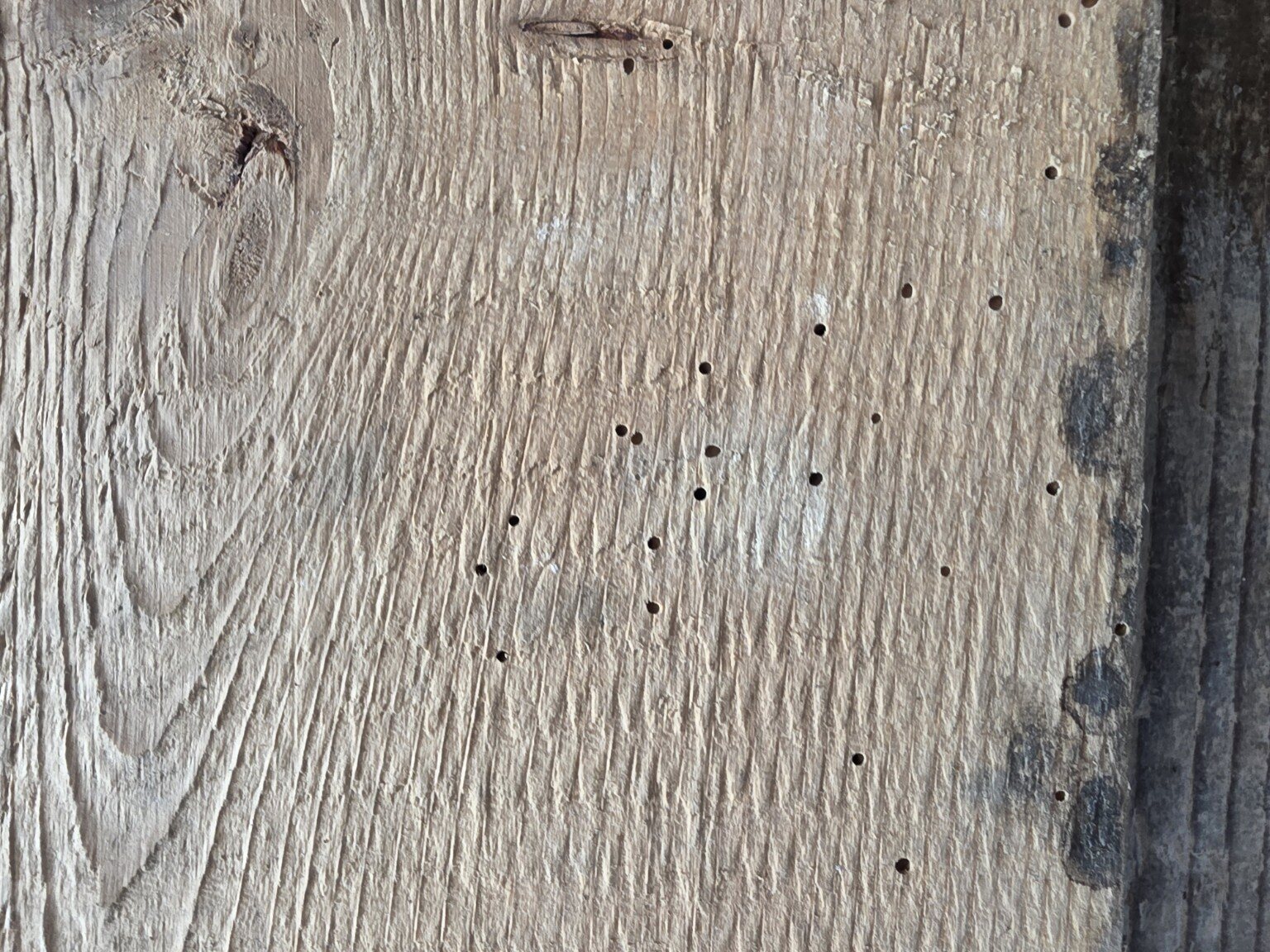
Suspended timber floor opened for inspection Wood-boring insect flight holes visible in timber 03 / Timber pathology

Timber survey · Suspended ground floor

Flight holes assessed in the context of the whole floor

Visible flight holes raised concern about active woodworm. The property also had limited subfloor ventilation, increasing the risk of moisture-related timber deterioration.

The investigation

Accessible joists, floorboards and wall plates were examined together with flight-hole characteristics, visible frass, timber condition, moisture and the available ventilation pathways.

What the evidence indicated

The findings required a combined response: improve the environment beneath the floor and deal with affected timber, rather than relying on treatment alone.

Recommended next step

Increase cross-ventilation to the subfloor, repair any defective timber identified during opening-up and undertake appropriate targeted treatment where activity is confirmed.

The Corvia difference

A diagnosis you can act on.

01

Observe the pattern, construction and surrounding conditions.

02

Measure moisture and environmental conditions where appropriate.

03

Interpret all evidence before reaching a conclusion.

04

Recommend proportionate repairs in the correct order.

Independent diagnosis

Need clarity about a property defect?

Arrange an evidence-led survey with clear findings, photographic evidence and practical recommendations.

Request a survey ↗